

A kitchen is one of the most active spaces in any home, where cookware, utensils, and storage containers come into direct contact with food every day. Many common kitchen products are made with plastics, nonstick coatings, and other materials that can release chemicals when heated or worn. Small choices about cookware and storage can influence what ends up in meals over time. Creating a low-tox kitchen focuses on thoughtful materials, durable tools, and simple swaps that support safer cooking and food storage.
Start With Safer Cookware Materials
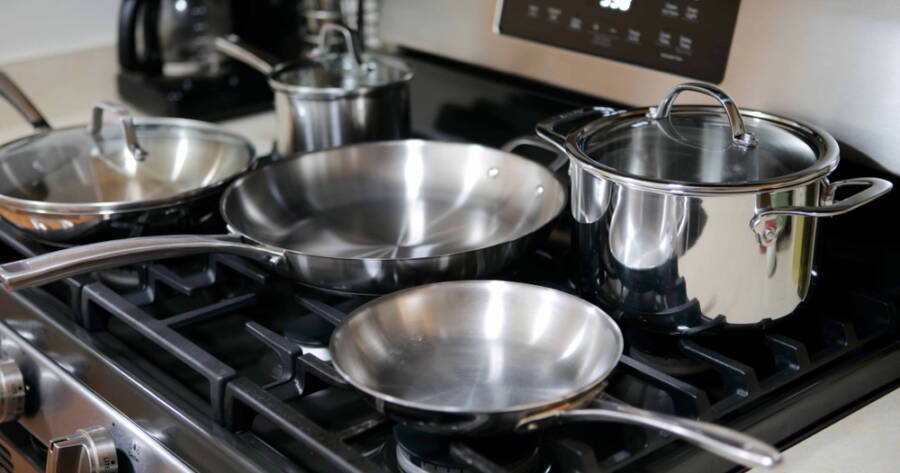
Cookware forms the foundation of any kitchen, and the materials used in pots and pans matter because heat can cause certain substances to migrate into food. Stainless steel remains one of the most widely recommended options due to its durability and a non-reactive surface. High-quality stainless steel resists corrosion, handles high temperatures, and works well for everyday cooking tasks such as sautéing vegetables, boiling pasta, or preparing sauces.
Cast iron is another popular choice for a low-tox kitchen. Traditional cast-iron pans develop a natural nonstick surface through seasoning, while enameled cast iron provides a protective coating that prevents rust and eliminates the need for seasoning. Both types retain heat well and are ideal for soups, stews, roasting, and baking. Because cast iron contains no synthetic coatings, many cooks appreciate its simple, long-lasting design.
Why Many People Avoid Traditional Nonstick Coatings
Nonstick cookware gained popularity because it makes cooking and cleanup easier, but many traditional coatings rely on compounds that can degrade under high heat. Older nonstick surfaces often contained chemicals linked to the PFAS family, sometimes referred to as “forever chemicals” because they break down slowly in the environment. When pans overheat or become scratched, coatings may deteriorate and release fumes or particles.
Modern cookware manufacturers often advertise PFAS-free or PFOA-free products, but quality and composition can vary. For households focused on reducing chemical exposure, replacing heavily worn nonstick pans with stainless steel, cast iron, or ceramic alternatives is often a practical first step. Durable materials also tend to last longer, reducing the need for frequent replacements and supporting a more sustainable kitchen setup.
Rethinking Food Storage Containers
Food storage plays an important role in maintaining a low-tox kitchen environment. Plastic containers remain common due to convenience and affordability, yet research has shown that certain plastics may release chemicals or microplastics when exposed to heat, oils, or acidic foods. Over time, repeated use can lead to scratches and breakdown of plastic surfaces.
Glass containers offer a widely preferred alternative. Glass is non-reactive, easy to clean, and suitable for storing everything from leftovers to pantry ingredients. Stainless steel containers are another durable option for meal prep, lunch storage, and dry goods. Silicone bags are sometimes used as reusable replacements for disposable plastic bags, though many people reserve silicone primarily for cold or room-temperature storage rather than high-heat cooking.
Choosing Healthier Utensils and Kitchen Tools
Utensils and everyday tools often receive less attention than cookware, yet they frequently come into contact with hot food. Plastic spatulas, ladles, and spoons can soften or degrade when exposed to high temperatures, potentially transferring unwanted substances into meals. Replacing plastic tools with more stable materials is a straightforward improvement.
Wood and bamboo utensils are popular choices because they are gentle on cookware surfaces and naturally resistant to heat. Stainless steel tools such as whisks, tongs, and ladles offer excellent durability and can be safely cleaned in the dishwasher. Natural wood cutting boards made from maple, walnut, or bamboo are also commonly recommended because they are sturdy, long-lasting, and less likely to shed microplastics compared with synthetic boards.
Bakeware and Specialty Cooking Materials
Bakeware materials also deserve consideration in a low-tox kitchen. Glass baking dishes and casserole pans are widely valued because glass is inert and does not react with food or absorb odors. Ceramic bakeware made with lead-free glazes provides another option for roasting vegetables, baking desserts, or preparing casseroles.
Carbon steel cookware has gained attention as a versatile alternative that shares some characteristics with cast iron while remaining lighter in weight. Once seasoned, carbon steel develops a naturally slick cooking surface without synthetic coatings. Clay cookware and pure ceramic vessels are sometimes used for slow cooking, allowing gentle heat distribution that enhances flavor while avoiding chemical coatings often found in conventional bakeware.
Small Appliances and Kitchen Surfaces
Beyond cookware and utensils, small appliances can also influence the materials that contact food. Blenders with glass jars, kettles with stainless steel interiors, and air fryers with ceramic or stainless baskets reduce contact with plastic surfaces. Appliances labeled free of PTFE and PFOA offer additional reassurance for households aiming to minimize exposure to certain coatings.
Kitchen counters and preparation surfaces also benefit from simple habits. Using glass mixing bowls, stainless steel prep tools, and wooden boards can reduce contact between food and synthetic materials. Even small adjustments, such as switching from plastic wrap to glass lids or stainless steel containers, gradually create a kitchen environment built around durable and safer materials.
Building a Kitchen That Supports Everyday Well-Being
A low-tox kitchen does not require replacing every tool at once. Many households begin by upgrading frequently used items such as cookware, storage containers, and utensils. Gradual swaps allow families to prioritize durable materials that support both food safety and longevity.
Thoughtful choices about cookware, storage, and kitchen tools create a cooking space that supports healthier habits over time. Durable materials such as stainless steel, cast iron, glass, and natural wood offer reliability without relying heavily on synthetic coatings or plastics. A kitchen built around simple, long-lasting materials can make daily cooking feel both safer and more intentional.