

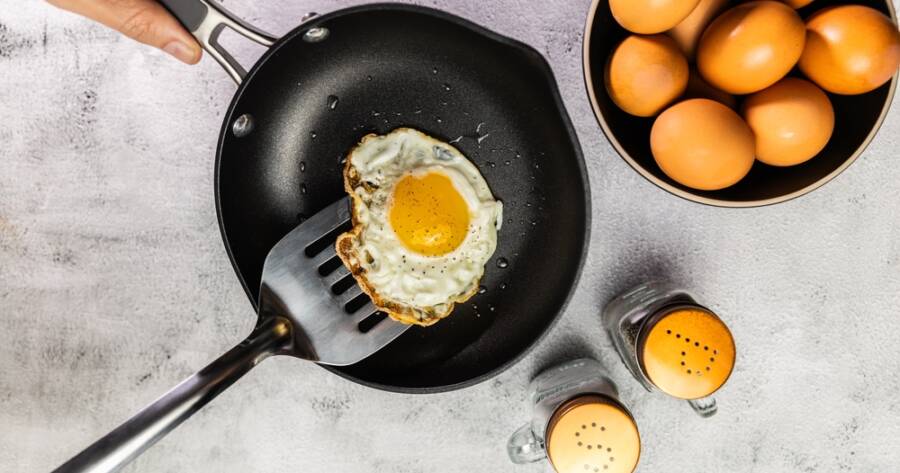
Nonstick pans have become a staple in many kitchens thanks to their convenience and easy cleanup. Eggs slide across the surface, delicate foods release effortlessly, and cooking often requires less oil. Behind that slick coating, however, lies a group of synthetic compounds known as PFAS. Growing awareness of those chemicals has sparked questions about cookware safety and long-term exposure. Understanding how nonstick coatings work and when potential risks may arise can help cooks make informed decisions about everyday kitchen tools.
What PFAS Are and Why They’re Used
PFAS stands for per- and polyfluoroalkyl substances, a large family of synthetic chemicals used in many modern products. Their structure contains an extremely strong carbon-fluorine bond, which gives them unique properties. Materials treated with PFAS resist heat, stains, oil, and water, making them useful in a wide range of household goods.
Cookware manufacturers rely on PFAS to create nonstick surfaces that allow food to release easily during cooking. One of the most common coatings used in nonstick pans is polytetrafluoroethylene, often abbreviated as PTFE. When applied to cookware at very high temperatures, the coating bonds tightly to the metal surface. That process creates a smooth cooking surface designed to prevent food from sticking while improving convenience during cooking and cleaning.
Why PFAS Are Called “Forever Chemicals”
PFAS are often described as “forever chemicals” because they break down extremely slowly in the environment. Their durable chemical structure allows them to persist in soil, water, and wildlife for long periods of time. Over decades of industrial use, PFAS compounds have spread widely through manufacturing waste, landfills, and contaminated water sources.
Studies have detected PFAS in the blood of people and animals around the world. Research suggests that some PFAS compounds may accumulate in the body over time. Scientists are still working to understand how different PFAS chemicals affect health, though certain compounds have been linked to immune system changes, hormonal disruptions, liver problems, and increased risk of certain cancers. Because thousands of PFAS chemicals exist, research continues to evaluate their individual effects.
How Nonstick Cookware Is Made
Most traditional nonstick pans use a PTFE-based coating applied to aluminum or steel cookware. During manufacturing, the coating is bonded to the metal surface through high-temperature processes that polymerize the material. This process removes many of the smaller PFAS molecules that might otherwise migrate into food.
Historically, PTFE was produced with the help of another chemical called PFOA. Concerns about health risks eventually led to the phase-out of PFOA in cookware production in the United States and many other countries by the mid-2010s. Modern nonstick cookware labeled “PFOA-free” reflects that change, although the coatings themselves still fall within the broader PFAS family of compounds.
Do PFAS From Nonstick Pans Enter Food?
Current evidence suggests that using nonstick cookware under normal conditions does not lead to significant PFAS exposure for most people. The coating applied to cookware is tightly bound and designed to remain stable during regular cooking. Research has not demonstrated strong evidence that PFAS coatings migrate into food during typical kitchen use.
Most concerns arise when cookware is exposed to extremely high temperatures. When nonstick surfaces are heated above roughly 500°F (260°C), the coating can begin to degrade and release fumes. Inhaling those fumes may lead to a temporary flu-like illness sometimes called polymer fume fever. While rare, it highlights why moderate cooking temperatures and proper use are recommended when using nonstick pans.
Practical Tips for Using Nonstick Cookware Safely
Cooking practices play an important role in maintaining the safety and longevity of nonstick pans. Lower to medium heat works best for most nonstick surfaces. Heating an empty pan can cause temperatures to rise quickly, increasing the risk of coating damage. Adding oil or food early helps regulate heat and prevent overheating.
Utensil choice also matters. Metal tools can scratch the coating, reducing its nonstick properties and exposing the underlying material. Wooden, silicone, or nylon utensils are generally safer options. Regular cleaning with gentle detergents and soft sponges helps preserve the coating. When a pan becomes deeply scratched or worn, replacing it may be the most practical option.
Alternatives to PFAS-Coated Cookware
For cooks who prefer to avoid PFAS coatings altogether, several alternatives exist. Stainless steel and cast iron pans have been used for generations and remain reliable kitchen staples. While they may require slightly different cooking techniques, both materials can produce excellent results once properly heated and seasoned.
Ceramic-coated cookware has also gained popularity as a nonstick alternative. Some ceramic surfaces rely on mineral-based coatings rather than PFAS compounds, though performance and durability can vary between brands. Carbon steel offers another option that combines durability with naturally developing nonstick qualities after repeated use. Exploring different materials allows home cooks to choose cookware that fits both cooking style and personal preferences.
Finding Balance in Everyday Cooking Choices
Nonstick cookware offers convenience, but awareness of PFAS has encouraged many people to rethink kitchen habits. Current research suggests that normal use of modern nonstick pans does not create significant exposure risks, particularly when cooking temperatures remain moderate and cookware remains in good condition.
At the same time, interest in alternative cookware materials continues to grow. Stainless steel, cast iron, and ceramic options provide reliable performance without relying on fluorinated coatings. A balanced kitchen often includes a mix of tools, allowing each pan to serve its strengths while giving cooks flexibility and peace of mind during everyday meal preparation.