

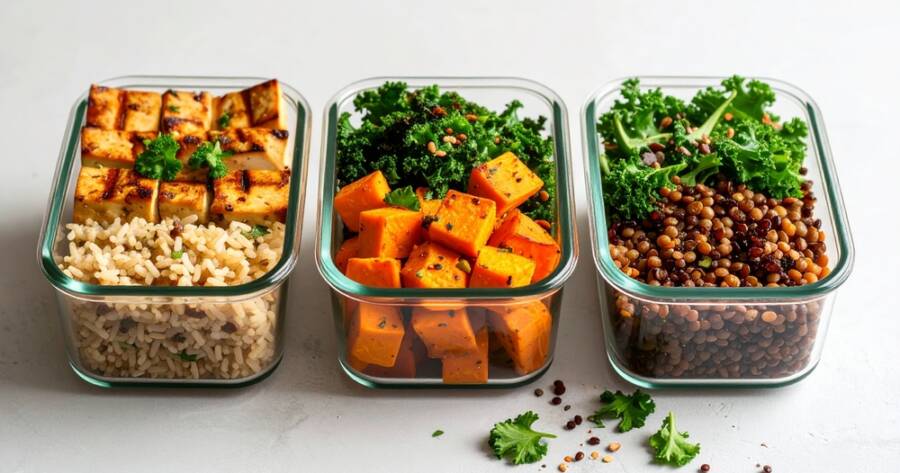
Food storage containers quietly influence the safety and freshness of everyday meals. Materials used to store leftovers, meal prep ingredients, and packed lunches can affect durability, odor retention, and even chemical exposure over time. Many households have relied on plastic for decades, yet growing awareness of material safety has shifted attention toward alternatives. Glass, stainless steel, and silicone each offer unique advantages, along with a few limitations. Choosing the right material often depends on how food will be stored, transported, and reheated.
Why Storage Materials Matter
Food storage containers serve more than a simple organizational purpose. They protect meals from contamination, preserve freshness, and determine how food interacts with surrounding materials. Some materials remain stable when exposed to heat, acids, or oils, while others may degrade over time. Durability and chemical stability both influence long-term safety.
Plastic containers have historically dominated kitchen storage because they are lightweight and inexpensive. However, some plastics may release small amounts of chemicals when exposed to heat or repeated wear. Research has linked certain compounds used in plastic manufacturing, such as bisphenols and phthalates, to hormone disruption. As a result, many households now explore alternative materials that reduce potential chemical contact with food.
Compare The Best Uses For Each Container Material
The best food storage choice depends on how the container will be used most often. Glass is strong for home storage and reheating, stainless steel is better for travel and durability, silicone is useful for flexible storage, and plastic is convenient but more likely to wear down with heat and repeated use.
| Material | Best For | Main Advantages | Main Drawbacks |
|---|
| Glass | Leftovers, sauces, soups, meal prep, reheating | Stable, clear, resists stains or odors, often microwave-safe | Heavy, breakable, less ideal for travel |
| Stainless Steel | Lunches, travel, snacks, outdoor meals | Durable, lightweight, resists odors and stains, long-lasting | Not microwave-safe, opaque, harder to see contents |
| Silicone | Freezer storage, snacks, collapsible storage, reusable bags | Flexible, space-saving, lightweight, often freezer- and dishwasher-friendly | May hold odors, can leak if compressed, softer structure |
| Plastic | Lightweight storage, low-risk dry goods, short-term use | Light, affordable, easy to find, convenient for transport | Can warp, stain, hold odors, and degrade with heat or wear |
Glass Containers for Stability and Visibility
Glass is often considered one of the most reliable materials for food storage. It is chemically inert, meaning it does not react with acidic or oily foods. That stability makes glass a popular choice for storing leftovers, soups, sauces, and prepared meals. Because the material does not absorb odors or stains, it can maintain its clarity and cleanliness even after years of use.
Transparency is another advantage. Being able to see the contents inside a container helps prevent forgotten leftovers and reduces food waste. Many glass containers can also move directly from refrigerator to microwave or oven, depending on the manufacturer’s instructions. The primary drawback involves weight and fragility. Glass containers are heavier than most alternatives and may break if dropped, making them less convenient for travel or packed lunches.
Stainless Steel for Durability and Portability
Stainless steel containers have become increasingly popular for food storage, particularly among people seeking durable and lightweight alternatives. The material resists corrosion, staining, and odor absorption. Unlike some plastics, stainless steel does not release chemicals when exposed to heat, oils, or acidic foods.
Durability is one of its strongest advantages. Stainless steel containers can withstand years of regular use without cracking or warping. They are often lighter than glass and easier to carry in lunch bags or backpacks. The main limitation involves visibility and heating. Because stainless steel is opaque, it can be harder to identify what is inside without opening the container. Additionally, stainless steel cannot be used in a microwave, which may limit reheating convenience.
Silicone as a Flexible Alternative
Silicone storage products have gained popularity in recent years, especially in the form of reusable bags and collapsible containers. Food-grade silicone is generally considered more stable than many plastics and doesn’t contain compounds like BPA. Its flexibility allows containers to fold or collapse, making them easy to store in small kitchen spaces.
However, silicone containers can present a few practical challenges. Their soft structure may affect how tightly lids seal, which can lead to occasional leaks when containers are tipped or compressed. Some silicone items also retain odors more easily than glass or stainless steel. Even with those limitations, silicone products remain useful for lightweight food storage, freezing leftovers, or carrying snacks during travel.
Comparing Heat Resistance and Chemical Stability
Different materials respond to heat in different ways, which can influence how they should be used. Glass tends to perform well with temperature changes when designed for oven or microwave use. Many glass containers can safely transition from refrigerator storage to reheating without affecting the material.
Stainless steel handles heat effectively but should never be placed in a microwave. Silicone usually tolerates a wide range of temperatures and is often freezer- and dishwasher-safe. Plastic, by comparison, may warp or degrade when exposed to high heat. Repeated microwaving or dishwasher cycles can accelerate wear, increasing the possibility of chemical transfer into food.
Check Lids, Seals, And Cleaning Habits
The material of the container matters, but the lid can affect food storage just as much. A glass or stainless steel container may still be less useful if the lid is warped, cracked, loose, or hard to clean. Silicone gaskets, snap edges, grooves, and corners should be checked regularly because trapped food residue or moisture can lead to odors and make the container feel less fresh over time.
Good storage habits also depend on proper cleaning and drying. Containers should be washed after each use, allowed to dry fully before being closed, and checked for lingering smells, stains, cracks, or damaged seals. If a lid no longer fits tightly or a gasket cannot be cleaned well, replacing that part may be better than replacing the entire container. A safe, long-lasting storage system depends on both the container body and the parts that keep food covered.
Practical Tips for Choosing the Right Container
Selecting the best storage material often depends on lifestyle and kitchen habits. Glass containers work well for storing leftovers, meal prepping, and reheating food directly in the same dish. Stainless steel excels in situations where portability and durability matter, such as packing lunches or transporting meals. Silicone products can be helpful when space-saving storage or flexible containers are needed.
A mixed approach often provides the most versatility. Using glass for home storage, stainless steel for travel, and silicone for freezer bags or collapsible containers allows each material to serve its strengths. Over time, gradually replacing worn plastic containers with more stable alternatives can help create a safer and longer-lasting kitchen storage system.
Choosing Containers That Support Long-Term Kitchen Habits
Food storage may seem like a small part of kitchen routines, yet the materials used every day can influence convenience, durability, and peace of mind. Glass, stainless steel, and silicone all offer reliable alternatives to traditional plastic containers, each suited to different needs.
Selecting containers thoughtfully can simplify meal prep and reduce exposure to materials that degrade with repeated use. Durable options also last longer, cutting down on waste and replacement costs. With a combination of stable materials and practical storage habits, a kitchen can stay organized while supporting safer food storage for years to come.