

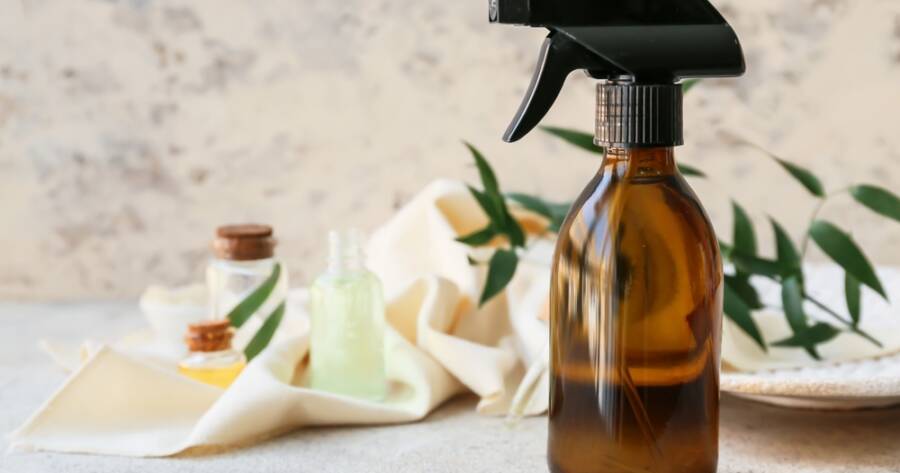
Lingering odors can make a home feel less comfortable, even when spaces appear clean. Cooking smells, pet odors, damp fabrics, and everyday household activities all contribute to unwanted scents over time. Many commercial air fresheners simply mask odors with strong fragrances rather than addressing the underlying cause. Natural solutions often work differently by absorbing, neutralizing, or breaking down odor molecules. Simple ingredients and good ventilation can help restore a fresher indoor environment without relying on heavy chemical fragrances.
Identify the Source Before Treating the Smell
Unpleasant odors rarely appear without a cause. Food residue, moisture buildup, pet accidents, garbage bins, or poorly ventilated areas often create the conditions that allow smells to linger. Addressing the root of the problem is one of the most effective ways to keep a home smelling fresh. Cleaning surfaces, removing old food, and washing fabrics often resolve odors before additional deodorizing methods are needed.
Moisture is another common contributor to household smells. Damp towels, carpets, and laundry can develop musty odors if not dried properly. Bathrooms, basements, and kitchens often require extra ventilation because warm air and humidity encourage bacteria and mildew growth. A simple combination of regular cleaning and improved airflow can significantly reduce the conditions that allow unpleasant odors to develop.
Baking Soda: A Simple and Powerful Odor Neutralizer
Baking soda has long been valued for its ability to absorb and neutralize odors throughout the home. Chemically known as sodium bicarbonate, the powder works because many unpleasant smells are produced by acidic compounds. When baking soda encounters acidic odor molecules, it reacts with them and helps transform the smell into a less noticeable compound.
The powder can be used in several ways around the house. Sprinkling baking soda onto carpets, rugs, or mattresses allows it to absorb odors before being vacuumed away. Small open containers of baking soda placed inside refrigerators, closets, or trash cans can also help reduce lingering smells. For stronger odors, the powder may need several hours or even a full day to fully absorb unwanted scents.
Vinegar as a Natural Deodorizing Solution
White vinegar is another widely used natural odor eliminator. Vinegar contains acetic acid, which helps neutralize alkaline odor compounds and break down residue that contributes to unpleasant smells. Although the vinegar scent may initially seem strong, it typically fades quickly as it evaporates.
A simple mixture of equal parts water and white vinegar can be placed in a spray bottle and used to clean kitchen counters, garbage cans, or bathroom surfaces. Vinegar solutions are also helpful for removing odors from fabrics and upholstery. Spraying lightly and allowing the area to air dry often removes lingering smells without leaving behind artificial fragrances.
Using Natural Ingredients to Freshen Indoor Air
Many kitchens already contain ingredients that can naturally improve indoor scent. Citrus peels, herbs, and spices release pleasant aromas when heated or steeped in warm water. A simmer pot made with orange slices, cinnamon sticks, and cloves can gently fill a home with a warm fragrance while also adding moisture to dry indoor air.
Coffee grounds are another surprisingly effective odor absorber. Placing dry coffee grounds in a small container can help neutralize strong smells in refrigerators, freezers, or kitchen spaces. Because coffee naturally absorbs odors from the surrounding environment, it can help reduce lingering food smells after cooking.
DIY Sprays and Natural Air Fresheners
Homemade sprays provide another way to freshen the air without relying on synthetic fragrance products. A simple mixture of water and a few drops of essential oil can create a light room spray suitable for fabrics, curtains, or upholstery. Oils such as lemon, lavender, or eucalyptus are commonly used for their clean and refreshing aromas.
Other DIY options include gel air fresheners made from gelatin and essential oils or deodorizing disks made from baking soda and water. Once hardened, small disks can be placed in closets, bathrooms, or near garbage areas to absorb odors gradually. Homemade solutions often provide flexibility because scent strength and ingredients can be adjusted to personal preference.
Improving Airflow to Prevent Lingering Odors
Ventilation plays an important role in keeping indoor air fresh. Without proper airflow, odor molecules remain trapped in enclosed spaces and gradually accumulate. Opening windows regularly allows fresh air to circulate and carry away unwanted smells. Even a few minutes of cross ventilation can noticeably improve air quality inside a home.
Fans and range hoods also help remove cooking fumes, smoke, and humidity. Kitchen exhaust systems are particularly helpful for reducing food odors that might otherwise settle into fabrics and furniture. Consistent airflow not only removes unpleasant smells but also helps prevent the buildup of moisture that encourages mold and mildew.
A Fresher Home Through Simple Natural Habits
Household odors often build gradually through everyday activities, but simple habits can keep indoor spaces feeling fresh. Cleaning regularly, improving ventilation, and relying on natural odor absorbers like baking soda or vinegar can reduce the need for strong artificial fragrances.
Natural solutions focus on neutralizing or removing odor molecules rather than covering them up. With a few pantry ingredients and thoughtful household routines, it becomes easier to maintain a home environment that smells clean, comfortable, and inviting throughout the year.