

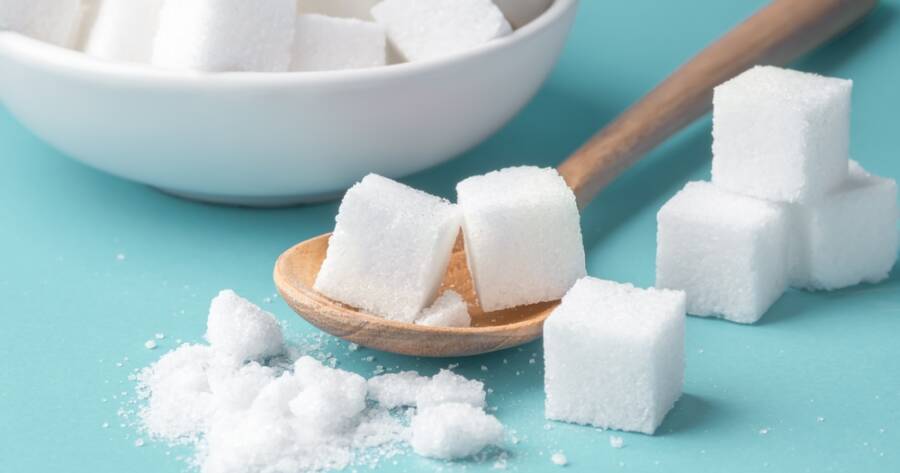
Sweetness has long been a cornerstone of human diets, from fruit and honey in traditional cuisines to refined sugar in modern processed foods. As health concerns around added sugar have grown, many people have turned to alternatives labeled natural or plant-based. Honey, maple syrup, coconut sugar, and newer options like monk fruit often appear as healthier substitutes. Understanding how different sweeteners are made, how the body processes them, and what nutritional value they offer can help clarify whether natural options truly provide an advantage.
Understanding What Sugar Actually Is
Sugar is a type of carbohydrate that the body converts into glucose for energy. Naturally occurring sugars appear in many foods, including fruits, vegetables, dairy products, and whole grains. During digestion, carbohydrates break down into glucose, which fuels cells throughout the body. This process supports brain function, physical activity, and normal metabolic processes.
Problems typically arise from excessive intake of added sugars rather than naturally occurring ones. Added sugar appears in sodas, desserts, sauces, and many packaged foods. Unlike fruit or whole grains, refined sugar contains very few nutrients. High consumption of added sugars has been associated with increased risks of obesity, type 2 diabetes, heart disease, and metabolic syndrome. Because of those risks, many consumers search for alternative sweeteners that may offer fewer calories or additional nutritional benefits.
How Natural Sweeteners Differ From Refined Sugar
Natural sweeteners are usually derived from plants or minimally processed foods. Honey comes from bees, maple syrup is produced from tree sap, and coconut sugar originates from coconut palm sap. Compared with refined white sugar, many of these sweeteners retain small amounts of minerals, antioxidants, or other bioactive compounds.
Despite those benefits, natural sweeteners still contain sugar molecules such as glucose, fructose, or sucrose. Once consumed, the body processes them in a similar way to regular sugar. Calories from natural sweeteners still contribute to daily energy intake, and excessive consumption can produce the same metabolic effects seen with refined sugar. Nutritional differences exist, but they are often relatively small when typical serving sizes are considered.
Honey and Maple Syrup: Traditional Alternatives
Honey and maple syrup are among the most commonly used natural sweeteners. Raw honey contains trace minerals, enzyonmes, and antioxidants that may contribute to its reputation as a healthier option. Some research also suggests honey has mild antimicrobial properties and may help soothe sore throats or coughs.
Pure maple syrup also contains small amounts of minerals such as manganese, zinc, and calcium. Darker varieties often contain higher concentrations of antioxidants than lighter syrups. Even with those nutrients present, honey and maple syrup remain concentrated sources of sugar. A tablespoon of either contains roughly the same calories as white sugar. Occasional use may add flavor and minimal nutrients, but large amounts can still contribute to excess sugar intake.
Plant-Based Sweeteners Like Stevia and Monk Fruit
Stevia and monk fruit have gained popularity as plant-derived sweeteners that contain little or no calories. Stevia is extracted from the leaves of the Stevia rebaudiana plant, while monk fruit comes from a small melon grown in parts of Asia. Both compounds are significantly sweeter than sugar, so only tiny amounts are needed to achieve the same level of sweetness.
Because they contain little to no calories and do not significantly raise blood sugar levels, both options are often recommended for people managing diabetes or reducing calorie intake. Commercial products sometimes combine stevia or monk fruit with sugar alcohols such as erythritol to improve texture and flavor. While generally considered safe, some individuals experience digestive discomfort when consuming sugar alcohols in large amounts.
Coconut Sugar, Date Sugar, and Other Natural Options
Other sweeteners marketed as natural alternatives include coconut sugar, date sugar, molasses, and brown rice syrup. Coconut sugar contains small amounts of minerals and may have a slightly lower glycemic index than refined sugar. Date sugar and date syrup retain some fiber and antioxidants because they are made from whole dried fruit.
Molasses, particularly blackstrap molasses, is one of the more nutrient-dense sweeteners. It contains measurable amounts of iron, potassium, calcium, and B vitamins due to the way it is produced during sugar refining. Even with those nutrients present, portion size still matters. Most natural sweeteners remain concentrated carbohydrate sources, and their nutritional value rarely offsets the effects of excessive consumption.
When Natural Sweeteners May Be Helpful
Natural sweeteners can be useful when replacing heavily processed sugars in certain situations. Small amounts of honey, maple syrup, or fruit purée may provide flavor along with trace nutrients that refined sugar lacks. Plant-derived sweeteners like stevia or monk fruit may also help reduce overall calorie intake in beverages and desserts.
Using whole foods as sweeteners can also add nutritional value to meals. Mashed bananas, applesauce, or blended dates provide fiber, vitamins, and water content alongside natural sweetness. Such options tend to be less processed than refined sugar and may contribute to better overall dietary quality. Moderation remains important regardless of the sweetener source.
Sweetness With Perspective
Natural sweeteners often sound healthier than refined sugar, yet the difference is not always dramatic. Many alternatives still deliver similar calories and sugars once consumed. Nutritional advantages typically come from small amounts of minerals, antioxidants, or plant compounds that refined sugar lacks.
A balanced approach focuses on reducing overall added sugar intake rather than replacing one sweetener with another in unlimited amounts. Whole fruits, naturally sweet vegetables, and minimally processed foods offer sweetness alongside valuable nutrients. Occasional use of honey, maple syrup, or plant-based sweeteners can fit within a healthy diet, particularly when overall sugar consumption stays within reasonable limits.