

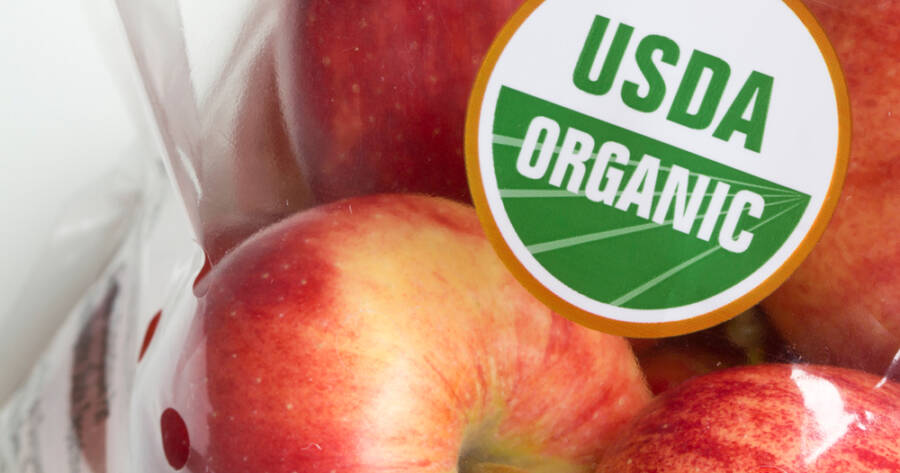
Food labels can make a product seem cleaner, healthier, or more responsibly produced in just a few words. Terms like natural, organic, and non-GMO often appear side by side, yet they don’t mean the same thing and aren’t regulated in the same way. Some reflect formal standards and inspections, while others function more like marketing language. Understanding the difference can make grocery shopping feel far less confusing and help buyers focus on what a label truly says rather than what it seems to promise.
Why Food Labels Can Be So Confusing
Modern food packaging does more than identify what is inside a box or bag. It also competes for attention by using words that suggest purity, quality, and health. Labels such as natural, organic, and non-GMO sound reassuring, but they answer very different questions. One may refer to how food was grown, another to what kind of ingredients were used, and another to whether a crop was genetically engineered.
Confusion grows when shoppers assume all three labels represent the same standard. A product can be non-GMO without being organic. It can be labeled natural without saying anything meaningful about pesticides, animal welfare, or nutrition quality. That is why understanding the specific meaning behind each label matters more than relying on the general impression created on the front of the package.
What “Natural” Usually Means
The word natural is one of the most common and least precise terms on food packaging. For meat and poultry, the USDA generally uses it to mean a product contains no artificial ingredients or added color and is only minimally processed. For many other foods, the FDA has indicated that natural means nothing artificial or synthetic has been added that would not normally be expected in that food.
Even with that guidance, natural is not a tightly standardized claim in the way organic is. It does not tell shoppers whether pesticides were used, whether animals received antibiotics or hormones, or whether a food is especially nutritious. A granola bar can be labeled natural and still contain plenty of sugar or sodium. In practice, natural often speaks more to processing and formulation than to overall health value.
What the Organic Label Actually Covers
Organic is the label with the clearest formal framework. In the United States, organic standards are regulated by the USDA and backed by certification and inspection requirements. For produce, organic farming restricts the use of many synthetic pesticides and fertilizers, prohibits genetically modified seeds, and emphasizes soil health and preventive growing practices. For animal products, standards also address feed, outdoor access, and restrictions around routine antibiotics and added growth hormones.
Organic labeling on packaged foods depends on the percentage of organic ingredients. Products carrying the USDA Organic seal must contain at least 95 percent organic ingredients, while products labeled “made with organic ingredients” must contain at least 70 percent. Organic can mean lower pesticide residue and stricter production standards, but it does not automatically mean a food is more nutritious. Organic cookies are still cookies, and organic snack foods are still processed foods.
What Non-GMO Really Tells You
Non-GMO refers specifically to whether a food or ingredient was produced without genetic engineering. GMO stands for genetically modified organism, often referring to plants whose DNA has been intentionally altered in a lab. A non-GMO label indicates that a product avoids ingredients derived from genetically modified crops such as certain forms of corn, soy, canola, or sugar beets.
That label, however, answers only one question. It does not tell you whether a product is organic, minimally processed, low in pesticides, or high in nutrients. A bag of chips can be non-GMO and still contain refined oils, excess sodium, and little fiber. It is also worth remembering that many whole foods, such as oats or lentils, may carry a non-GMO label even though a genetically modified version is not commonly part of the food supply. In some cases, the label is more informative than necessary.
How the Labels Overlap and Where They Don’t
Organic and non-GMO overlap in one important way: certified organic products cannot use genetically modified seeds or ingredients. That means organic already includes a non-GMO standard. On the other hand, a non-GMO product is not automatically organic. It may still be grown with conventional pesticides, processed heavily, or made with refined ingredients.
Natural overlaps with neither label in any reliable way. A product can be natural and still contain conventionally grown ingredients, added sugars, or very little nutritional value. Organic speaks most clearly to farming and production practices. Non-GMO speaks to genetic engineering. Natural usually speaks to limited processing or lack of artificial ingredients, though even that can be open to interpretation. Seeing how the labels differ prevents shoppers from giving one word more meaning than it actually deserves.
Which Label Matters Most for Health
No single front-of-package claim can determine whether a food is healthy. A better question is what role the product plays in the overall diet. Fresh produce, beans, plain yogurt, eggs, nuts, and whole grains can support good nutrition, whether they are organic or conventional. Meanwhile, a packaged snack can be organic, non-GMO, and natural all at once while still being high in sugar and low in fiber.
For shoppers focused on pesticide exposure or farming practices, organic may matter most. For those who prefer to avoid genetically engineered ingredients, non-GMO may feel more important. For general nutrition, though, the Nutrition Facts panel and ingredient list usually offer more useful insight than a marketing label alone. Whole and minimally processed foods remain the clearest path to a healthier grocery cart, regardless of branding language.
A Better Way to Read the Front of the Package
Natural, organic, and non-GMO each carry a different message, and none of them tells the entire story of a food. Organic is the most regulated and comprehensive of the three. Non-GMO is narrower and focused only on genetic engineering. Natural is the vaguest and often the least informative.
A smarter way to shop starts with understanding what each label can and cannot promise. Once that becomes clear, it is easier to move past the halo effect of packaging and pay closer attention to ingredient quality, processing level, and overall nutritional value. That shift makes food choices feel more grounded, practical, and far less influenced by marketing language alone.